Fast Nationwide Delivery | Free Shipping Over €50
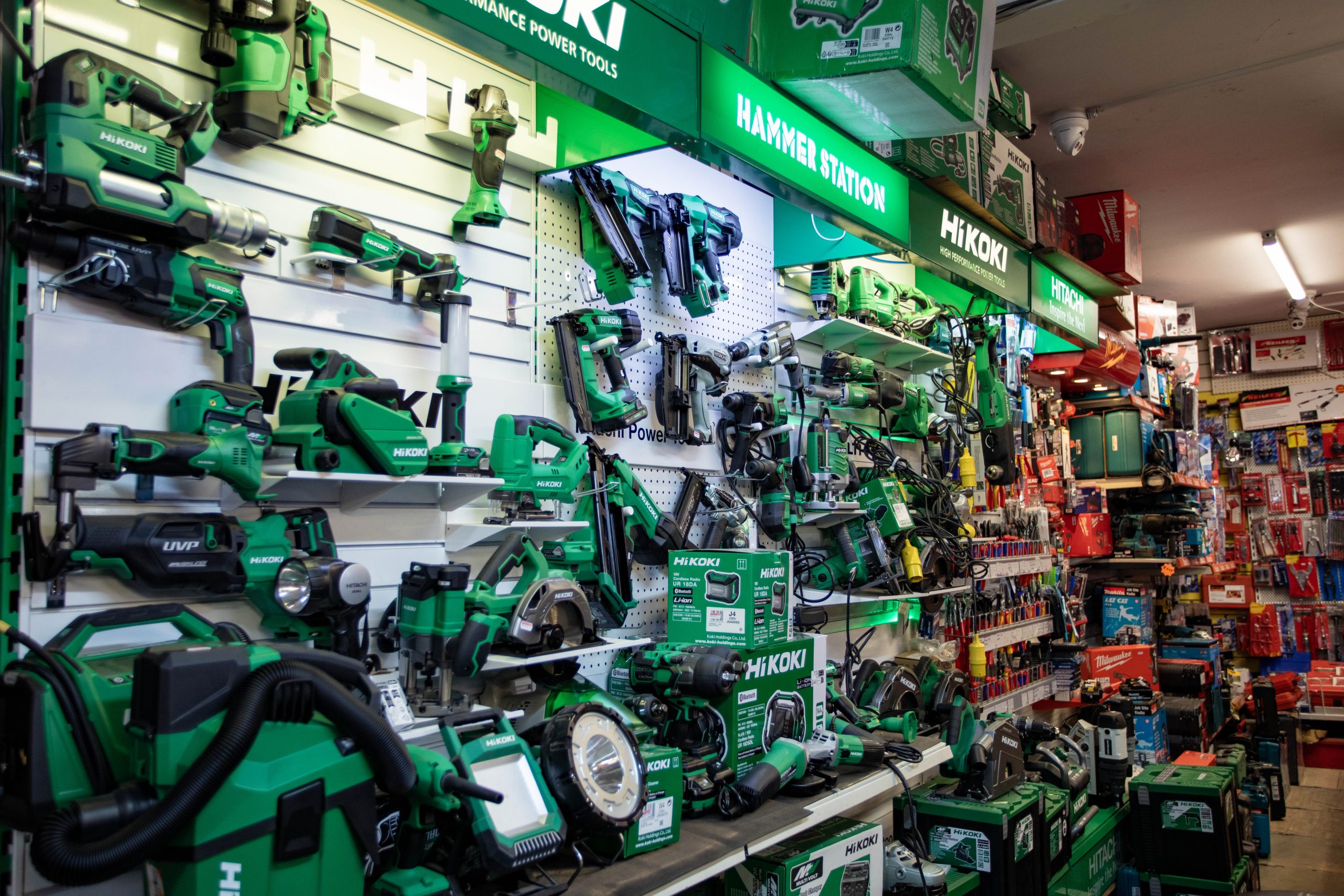
Choosing between corded and cordless tools is not always as simple as it sounds. On one side, cordless tools offer flexibility and freedom of movement. On the other, corded tools provide uninterrupted power and dependable performance over longer periods.
The right choice depends less on the tool itself and more on how the work is carried out day to day. For most tradespeople, the best setup is not about choosing one over the other completely, but understanding where each option fits best.
Why cordless tools have become so popular
Cordless tools have improved significantly in recent years. What was once seen as a compromise is now, in many cases, the preferred option for professional use.
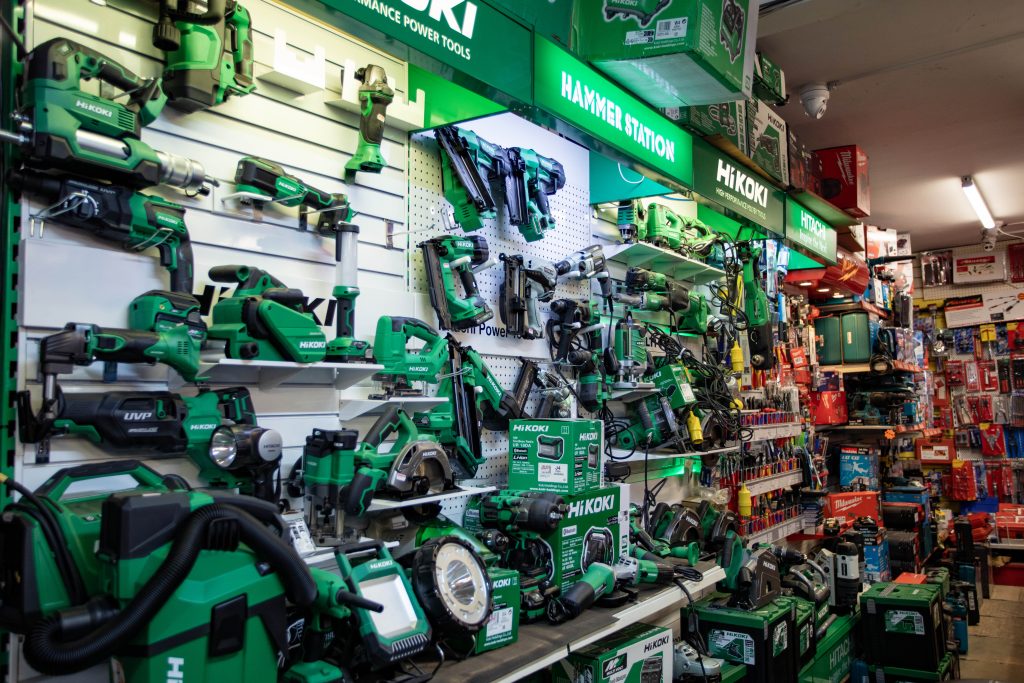
Modern cordless systems from Makita and Hikoki offer strong battery performance, reliable power, and the convenience of working without cables. On site, that freedom makes a noticeable difference. It allows easier movement, quicker repositioning, and less time spent dealing with extension leads and limited power access.
Where cordless tools make the biggest difference
For builders, cordless tools are often the most practical option because they suit the demands of site work so well. Moving between tasks, working at height, and working in different parts of a project is far easier when cables are not getting in the way.
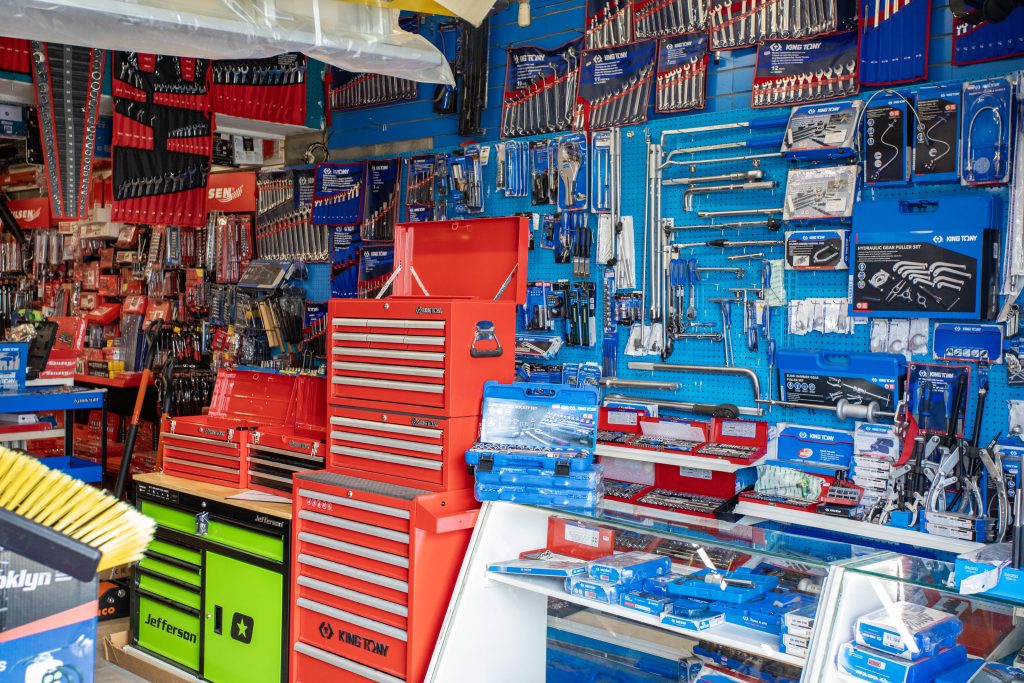
For mechanics, cordless tools also bring clear advantages. They make it easier to move around vehicles, work across the workshop, and carry out jobs quickly without constantly plugging in and repositioning equipment. For flexibility and speed, cordless tools are hard to ignore.
Why corded tools still have an important place
Despite the rise of cordless systems, corded tools still earn their place in many professional setups. Their biggest advantage is simple: consistent power for as long as the job demands it.
That makes them especially useful for longer-running tasks or tools used in fixed positions. In workshops, grinders, bench tools, and other equipment that sees extended use often remain corded because they are expected to perform without interruption.
Think beyond the price on the box
The cost of a tool is not just about the initial purchase. With cordless tools, batteries and chargers are part of the investment, and building a full setup usually means committing to a specific platform.
That said, once a battery system is in place, expanding it often becomes more cost-effective. Staying with one brand, such as Makita or Hikoki, allows the same batteries to be used across multiple tools, which can reduce long-term costs and simplify the overall setup.
The best setup is usually a balance of both
For many tradespeople, the smartest approach is to use both corded and cordless tools where they make the most sense.
Cordless tools offer speed, mobility, and convenience when movement matters. Corded tools provide dependable, continuous power when equipment is used in one place or for longer periods. Matching the tool to the task creates a setup that is more practical, more efficient, and better suited to everyday work.
Choose tools around the way you work
There is no single answer that suits every trade, every workshop, or every site. The most effective setup depends on the jobs being done, the working environment, and the way tools are used from one day to the next.
When that balance is right, work becomes easier to manage, downtime is reduced, and the setup begins to support the job properly. That is what choosing the right tools should ultimately do.